👴

Elder Safety at Home

Create a safer home for seniors with fall prevention, medication management, accessibility features, and emergency response systems.

Elder Safety at Home

Senior Safety Essentials

Comprehensive safety measures for protecting your home and family

Fall Prevention

  • Remove tripping hazards like loose rugs
  • Install grab bars in bathroom and hallways
  • Ensure adequate lighting throughout home
  • Use non-slip mats in tub and shower
  • Keep frequently used items within easy reach
  • Wear properly fitting shoes with good traction
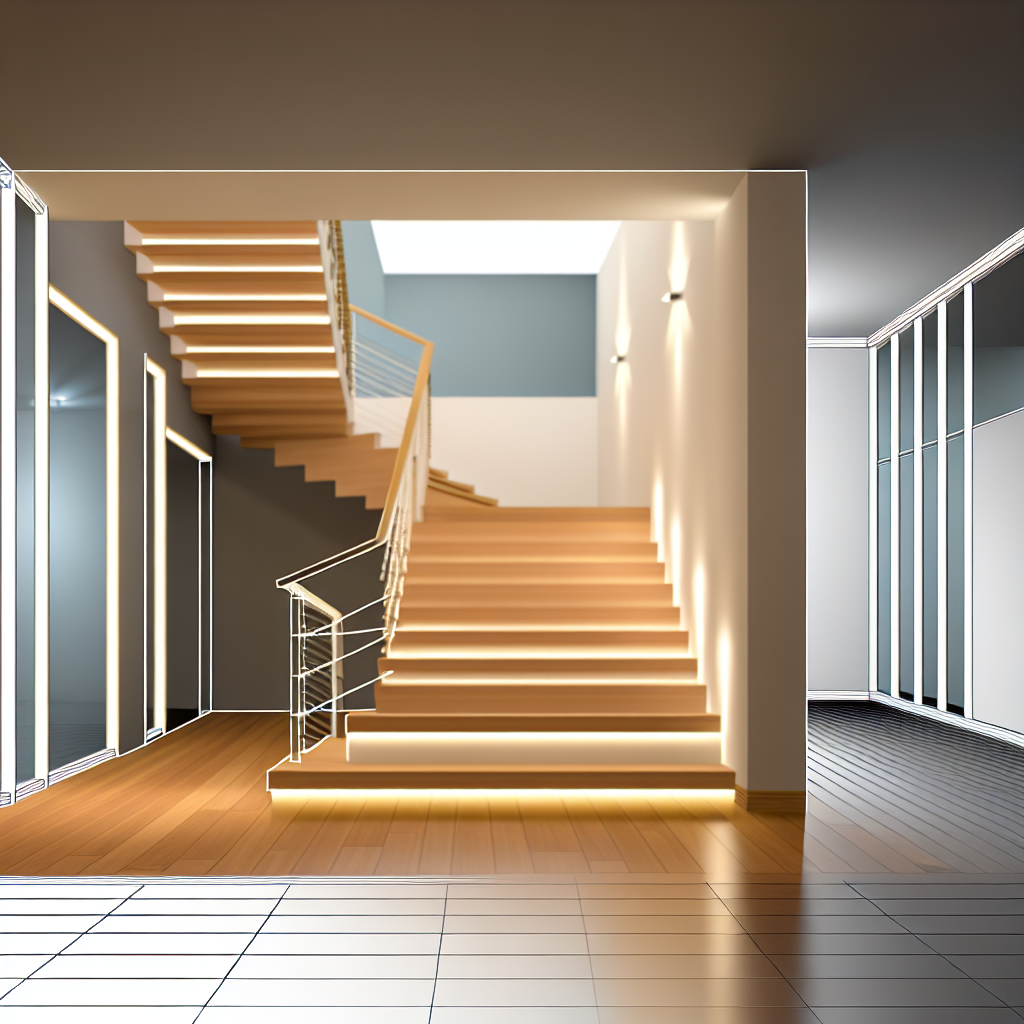
  • Install handrails on both sides of stairs
  • Consider a personal emergency response system

Bathroom Modifications

  • Install raised toilet seat
  • Add grab bars near toilet and in shower
  • Use shower chair or bench
  • Install handheld showerhead
  • Ensure non-slip flooring
  • Improve lighting with nightlights
  • Keep bathroom clear of obstacles
  • Consider walk-in tub or roll-in shower

Medication Management

  • Use pill organizers with day/time compartments
  • Set medication reminders on phone or device
  • Keep updated medication list visible
  • Store medications in easy-to-open containers
  • Maintain good lighting for reading labels
  • Review medications with doctor regularly
  • Keep emergency contacts with medication info
  • Dispose of expired medications properly

Emergency Systems

  • Install medical alert system
  • Wear alert pendant or bracelet at all times
  • Ensure system works in all areas of home
  • Test emergency system monthly
  • Keep phone numbers posted visibly
  • Provide neighbors with emergency contact info
  • Consider smart home monitoring
  • Keep charged cell phone accessible
Additional safety features

Additional Safety Considerations

Beyond the basics, consider these additional safety enhancements for comprehensive protection and peace of mind.

Regular Maintenance: Inspect all safety features monthly. Replace worn or damaged items immediately. Keep locks and mechanisms clean and lubricated. Test emergency features regularly to ensure they function properly.

Family Education: Teach all family members proper safety procedures. Practice emergency responses together. Ensure everyone knows how to operate safety devices. Update family training as children grow and needs change.