Getting Started with Home Safety

Your step-by-step guide to building a safer home. Start here if you're new to home safety or feeling overwhelmed about where to begin.
Family beginning their home safety journey

Your First Steps to a Safer Home

Follow these steps in order. Each builds on the previous one, creating a solid foundation for ongoing home safety.

1

Install and Test Smoke Detectors

This is your absolute first priority. Smoke detectors are the single most important safety device in your home and can save your life in a fire emergency.

  • Install detectors on every level of your home
  • Place one in every bedroom and outside sleeping areas
  • Test each detector by pressing the test button
  • Replace batteries if detector chirps or test fails
  • Note the manufacture date—replace units over 10 years old
⏱️ 30-60 minutes
Pro Tip: If your detectors are interconnected (one sounds, all sound), that's ideal. If not, consider upgrading gradually to interconnected units for maximum protection.
2

Create Two Escape Routes from Each Room

In an emergency, your primary exit might be blocked. Everyone in your household should know at least two ways out of every room.

  • Identify the main exit (usually the door) from each room
  • Identify a secondary exit (often a window)
  • Ensure windows open easily and screens can be removed
  • Clear any furniture blocking exits
  • Establish a meeting point outside, away from the house
⏱️ 45 minutes
Pro Tip: Walk through each escape route physically. Don't just look at it—actually walk the path everyone would take in an emergency. This reveals obstacles you might miss otherwise.
3

Do a Kitchen Safety Audit

The kitchen is the most common source of home fires. A quick audit and a few simple changes can dramatically reduce your risk.

  • Check that stove and oven knobs work properly
  • Move flammable items away from heat sources
  • Test GFCI outlets near sinks (press test/reset buttons)
  • Ensure you have a fire extinguisher within reach
  • Establish a "kid-free zone" near the stove (3 feet)
⏱️ 20 minutes
Pro Tip: Start a habit now: never leave cooking unattended. If you must leave the kitchen, turn off the burner. This single habit prevents the majority of cooking fires.
4

Check Stairs and High-Traffic Areas

Falls are one of the most common home injuries. Focus on the areas where falls are most likely to occur.

  • Test all stairway handrails for stability
  • Ensure stairway lighting is adequate (replace dim bulbs)
  • Clear stairs of all clutter and stored items
  • Secure loose carpeting or rugs with non-slip backing
  • Check that hallways and main pathways are well-lit
⏱️ 30 minutes
Pro Tip: Do this check in the evening when lighting issues are most apparent. What looks fine during the day might be dangerously dark at night.
5

Locate and Test Key Shut-Offs

In an emergency, you need to know how to quickly stop water, gas, or electricity. Locate these now, before you need them.

  • Find your main water shut-off valve
  • Locate your electrical panel and ensure it's labeled
  • If you have gas, locate the gas shut-off valve
  • Test that water valves turn (don't force if stuck)
  • Keep a flashlight near your electrical panel
⏱️ 20 minutes
Pro Tip: Take photos of valve locations and panel labels. Store these photos on your phone so you can find them quickly in an emergency or direct someone else to them.
6

Establish Your First Safety Habit

Now that you've addressed immediate priorities, establish one simple habit that you'll maintain going forward.

  • Choose one: Evening walk-through, weekly detector test, or monthly kitchen check
  • Link it to an existing routine (dinner cleanup, Sunday morning, etc.)
  • Do it consistently for 30 days to establish the habit
  • Once automatic, add a second habit
⏱️ 2-5 minutes daily/weekly
Pro Tip: Start with just one habit. It's better to maintain one safety check consistently than to try doing five and abandon them all after a few weeks.
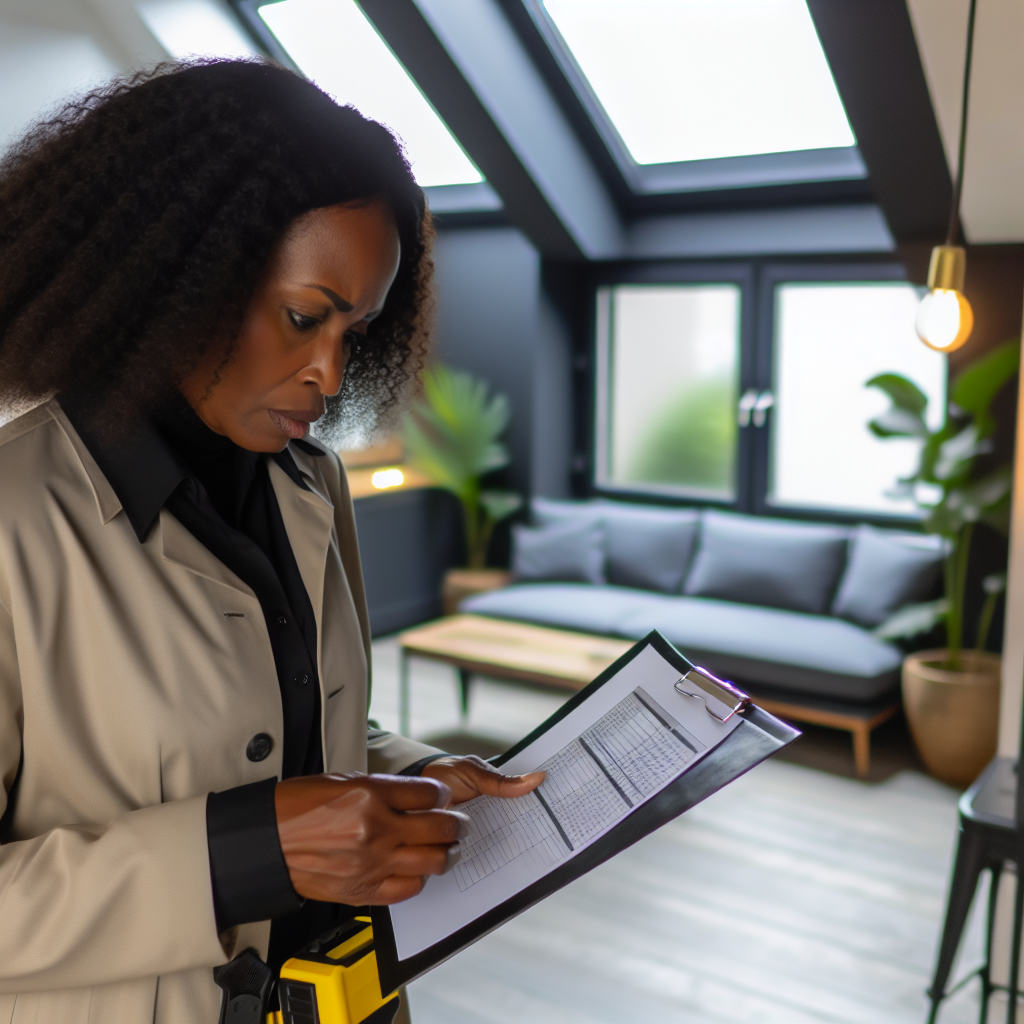
Safe and well-maintained home

What Comes Next?

Once you've completed these six steps, you've built a solid foundation for home safety. You've addressed the highest-priority items and established a framework for ongoing maintenance.

From here, you can expand by working through our complete safety checklist room by room, building additional safety habits, or diving deeper into specific topics like fire safety or emergency preparedness.

The key is consistency. It's better to maintain the habits you've started than to rush ahead to more advanced safety measures.

Ready for the Next Level?

Explore our comprehensive safety resources and programs

Complete Safety Checklist All Resources