🆘

Emergency Preparedness Planning

Prepare for emergencies with evacuation plans, disaster kits, communication strategies, and family emergency procedures.

Emergency Preparedness Planning

Emergency Planning Essentials

Comprehensive safety measures for protecting your home and family

Evacuation Planning

  • Create and practice evacuation routes
  • Designate meeting points outside home
  • Plan routes from each room
  • Practice evacuation drills quarterly
  • Ensure everyone knows two exit routes
  • Keep car keys in accessible location
  • Identify safe locations for different emergencies
  • Update plans as family changes

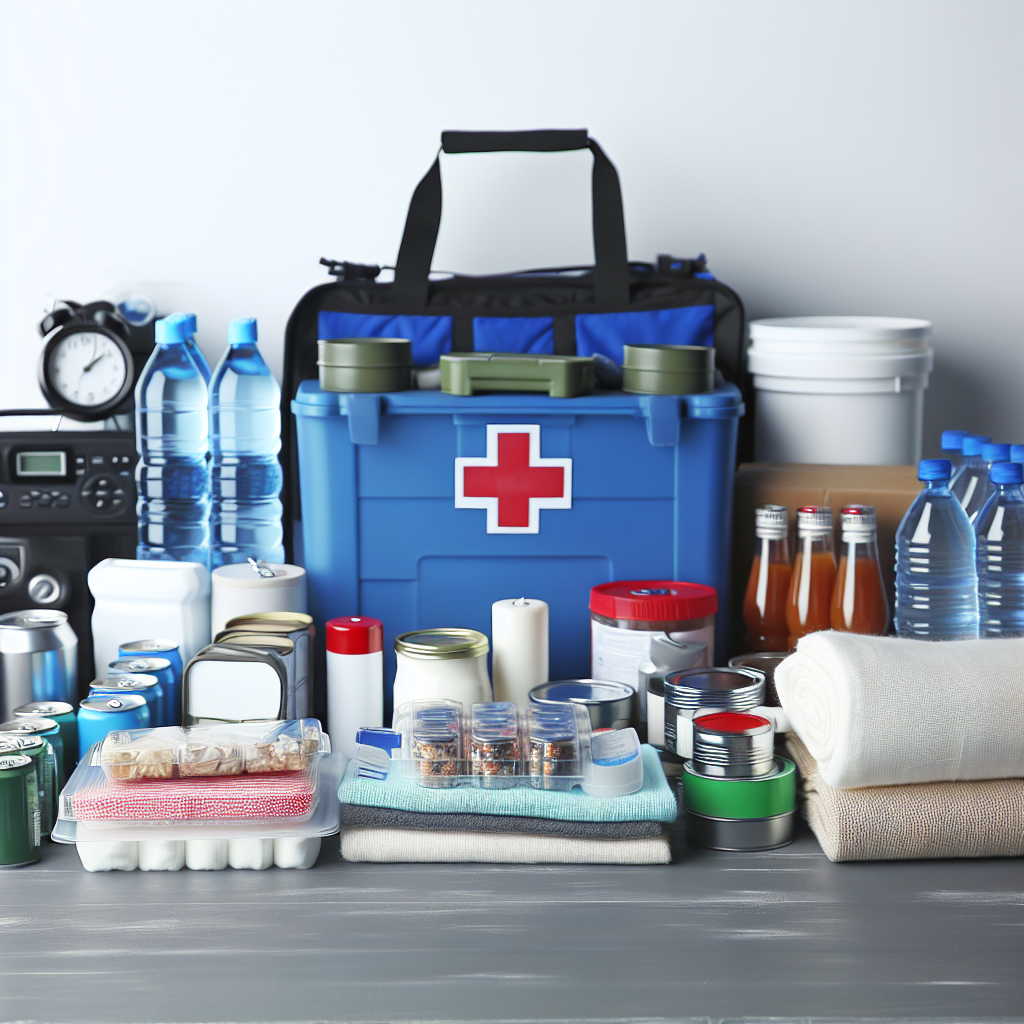
Emergency Kit Essentials

  • Water (1 gallon per person per day for 3 days)
  • Non-perishable food (3-day supply)
  • Battery-powered or hand-crank radio
  • Flashlight and extra batteries
  • First aid kit
  • Medications (7-day supply)
  • Important documents in waterproof container
  • Cash and credit cards
  • Phone chargers and backup batteries

Communication Plan

  • Designate out-of-area emergency contact
  • Ensure everyone knows contact numbers
  • Keep phone list in multiple locations
  • Establish check-in procedures
  • Program ICE contacts in phones
  • Know how to text (often works when calls don't)
  • Keep emergency numbers posted
  • Consider walkie-talkies for local communication

Shelter-in-Place Preparation

  • Know when to shelter vs. evacuate
  • Choose interior room with few windows
  • Stock supplies for 72 hours minimum
  • Plastic sheeting and duct tape for sealing
  • Keep radio for emergency broadcasts
  • Maintain adequate ventilation
  • Have entertainment for children
  • Keep pets secured
Additional safety features

Additional Safety Considerations

Beyond the basics, consider these additional safety enhancements for comprehensive protection and peace of mind.

Regular Maintenance: Inspect all safety features monthly. Replace worn or damaged items immediately. Keep locks and mechanisms clean and lubricated. Test emergency features regularly to ensure they function properly.

Family Education: Teach all family members proper safety procedures. Practice emergency responses together. Ensure everyone knows how to operate safety devices. Update family training as children grow and needs change.