πŸ”₯

Fire Safety Guide

Comprehensive fire prevention, detection, and escape planning to protect your home and family from fire hazards.

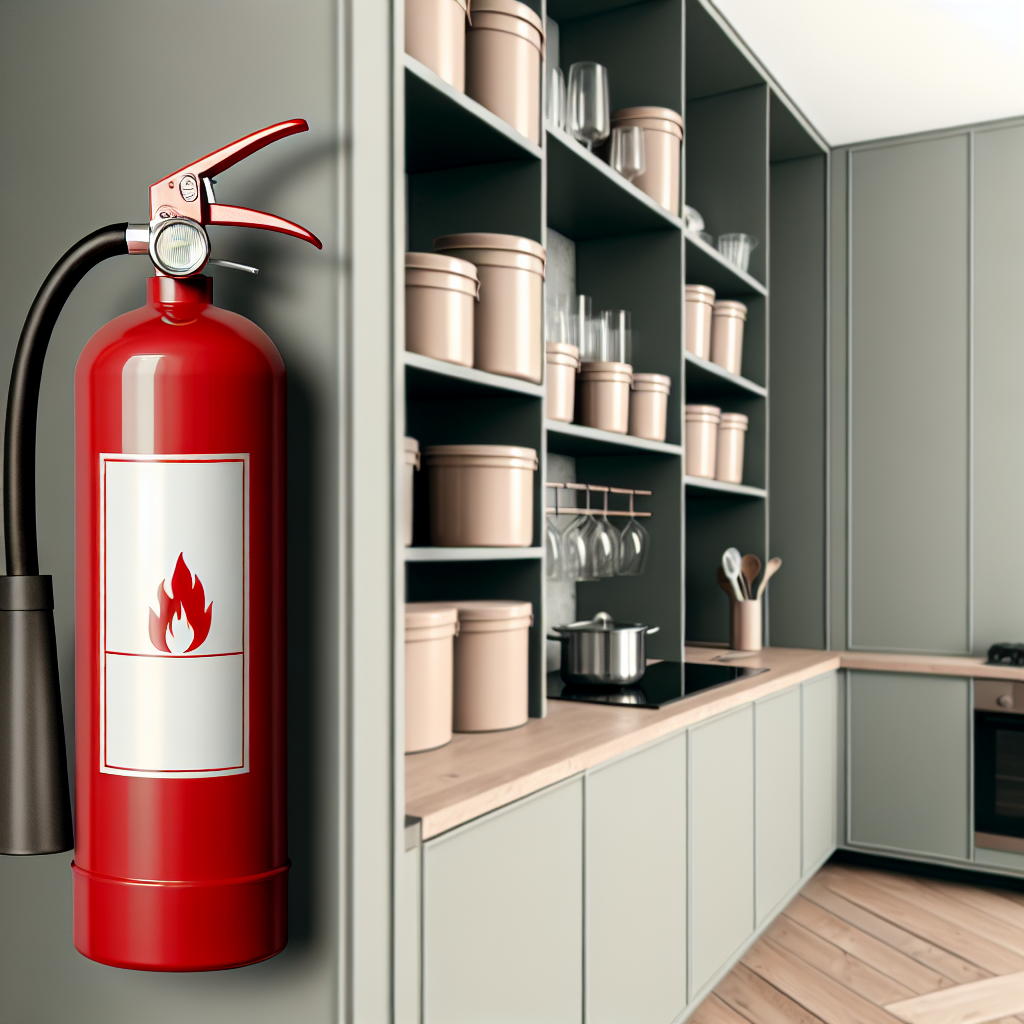
Fire safety equipment and planning

Fire Prevention Essentials

Most home fires are preventable. Focus on these key areas to dramatically reduce your risk.

🍳

Cooking Safety

Never leave cooking unattended. Keep flammable items away from heat sources. Turn pot handles inward.

πŸ”Œ

Electrical Safety

Don't overload outlets. Replace damaged cords. Unplug small appliances when not in use.

πŸ•―οΈ

Candle & Heat Sources

Keep candles away from flammables. Use stable holders. Never leave burning candles unattended.

🚬

Smoking Materials

Smoke outside if possible. Use deep, stable ashtrays. Never smoke in bed or when drowsy.

🧹

Clutter Control

Keep exits clear. Store flammable materials properly. Maintain clear space around heat sources.

πŸ”₯

Heating Equipment

Keep space heaters 3 feet from flammables. Service furnaces annually. Use fireplaces safely.

πŸ”Š Smoke Detector Placement

Proper placement is critical for early fire detection that saves lives.

  • Install on every level of your home
  • Place one in each bedroom
  • Install one outside each sleeping area
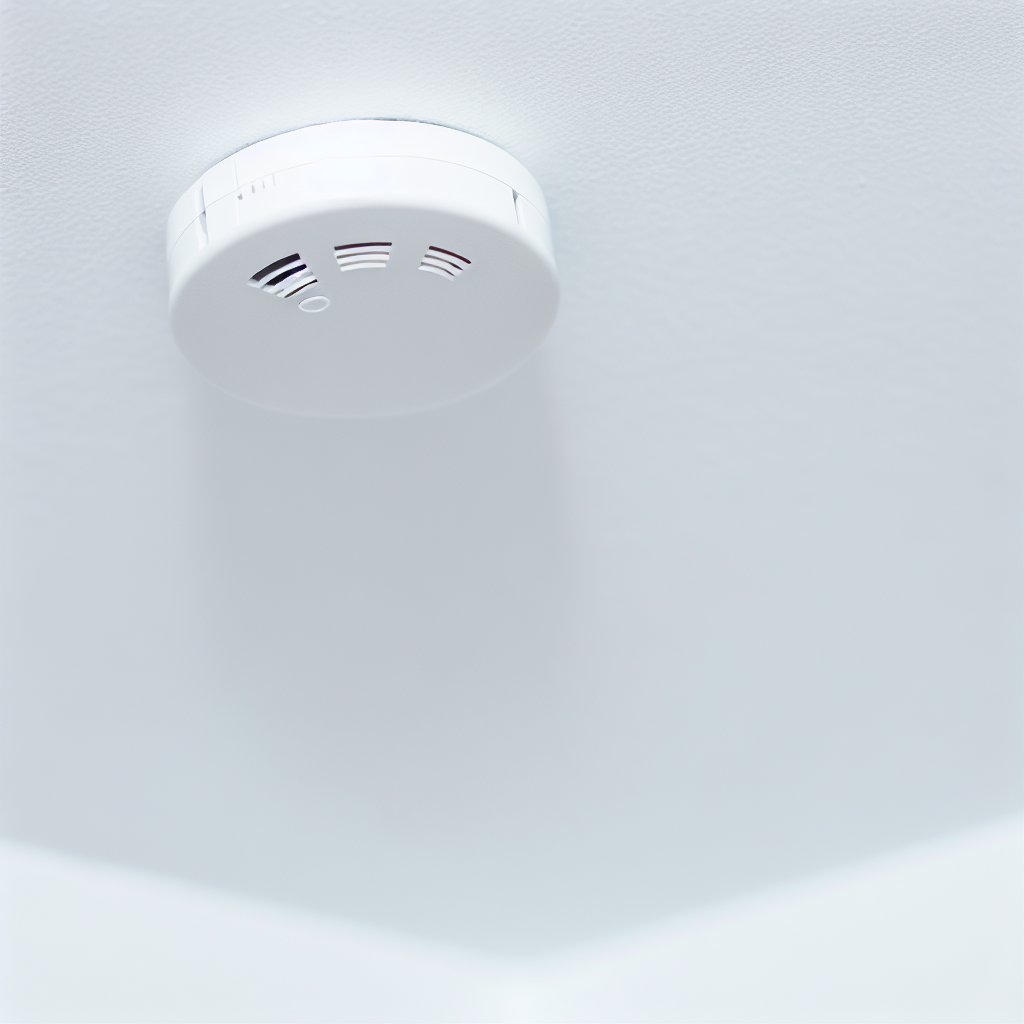
  • Mount on ceiling or high on wall
  • Avoid placement near bathrooms or kitchens (reduces false alarms)
  • Interconnect detectors if possible (one sounds, all sound)

πŸ”‹ Detector Maintenance

Even the best detector won't help if it's not working properly.

  • Test monthly by pressing the test button
  • Replace batteries annually (or when chirping)
  • Vacuum dust from detector vents twice yearly
  • Replace entire unit every 10 years
  • Never disable a detector due to false alarms
  • Keep spare batteries on hand
Properly installed smoke detector

Carbon Monoxide Detection

Carbon monoxide (CO) is an invisible, odorless gas produced by fuel-burning appliances. It's deadly and requires specialized detectors.

Install CO detectors if you have: Gas appliances, oil furnace, fireplace, wood stove, or attached garage.

Placement: Install on every level, especially near sleeping areas. Follow manufacturer's instructions for exact heightβ€”CO detectors have different placement requirements than smoke detectors.

Maintenance: Test monthly, replace batteries annually, replace unit according to manufacturer's recommendation (typically 5-7 years).

Fire Extinguisher Basics

Know when to use one, how to use one, and when to evacuate instead

🧯 When to Use an Extinguisher

Only fight a fire with an extinguisher if ALL of these are true:

  • The fire is small and contained
  • Everyone has exited or is exiting
  • You have been trained in extinguisher use
  • You have a clear escape route behind you
  • The room is not filling with smoke

If in doubt, get out. No property is worth your life.

🎯 P.A.S.S. Method

The standard technique for operating a fire extinguisher:

  • Pull the pin at the top of the extinguisher
  • Aim low, pointing at the base of the fire
  • Squeeze the handle to release the agent
  • Sweep from side to side at the fire's base

Stay 6-8 feet away from the fire. Back away if it grows or you can't extinguish it.

πŸ“ Extinguisher Placement

  • Keep one in the kitchen (but not right next to the stove)
  • Place one in the garage or workshop
  • Mount where easily visible and accessible
  • Ensure everyone knows locations
  • Check pressure gauge monthly
  • Service or replace per manufacturer's schedule

πŸ”€ Extinguisher Types

  • ABC: Most common, works on most home fires
  • Class A: Ordinary combustibles (wood, paper)
  • Class B: Flammable liquids (grease, gasoline)
  • Class C: Electrical fires
  • Class K: Kitchen/cooking fires (commercial)

For home use, an ABC extinguisher covers most situations.

⚠️ Emergency Response Plan

Having a plan dramatically increases survival rates. Practice it regularly so everyone knows what to do instinctively.

If Your Smoke Detector Sounds:

  1. Get out immediately. Don't investigate, don't gather belongings.
  2. Feel doors before opening. Use the back of your handβ€”if hot, use alternate exit.
  3. Stay low. Smoke and heat rise; breathable air is near the floor.
  4. Close doors behind you. This slows fire spread.
  5. Go to your meeting point. Account for everyone.
  6. Call 999 from outside. Never go back in for any reason.

Creating Your Evacuation Plan:

  1. Draw a floor plan of your home showing all rooms and exits
  2. Mark two escape routes from each room (usually door + window)
  3. Ensure windows open easily and screens are removable
  4. Designate a meeting point outside, away from the house
  5. Assign someone to help children, elderly, or pets
  6. Practice your plan at least twice a year
  7. Practice in the dark (fires often happen at night)

Special Considerations

πŸ‘Ά Children & Fire Safety

Teach children age-appropriate fire safety:

  • The sound of smoke detectors and what it means
  • Stop, drop, and roll if clothes catch fire
  • How to crawl low under smoke
  • Never hide from firefighters
  • Practice escape routes as a game
  • Keep matches and lighters out of reach

πŸ›οΈ Bedroom Safety

Bedrooms require special attention since fires often occur at night:

  • Install smoke detectors in every bedroom
  • Keep a flashlight near your bed
  • Sleep with bedroom doors closed (slows fire spread)
  • Ensure windows can be opened from inside
  • Never smoke in bed
  • Don't overload electrical outlets