🍳

Kitchen Safety Guide

Prevent the most common home accidents with practical kitchen safety strategies, from fire prevention to safe food handling.

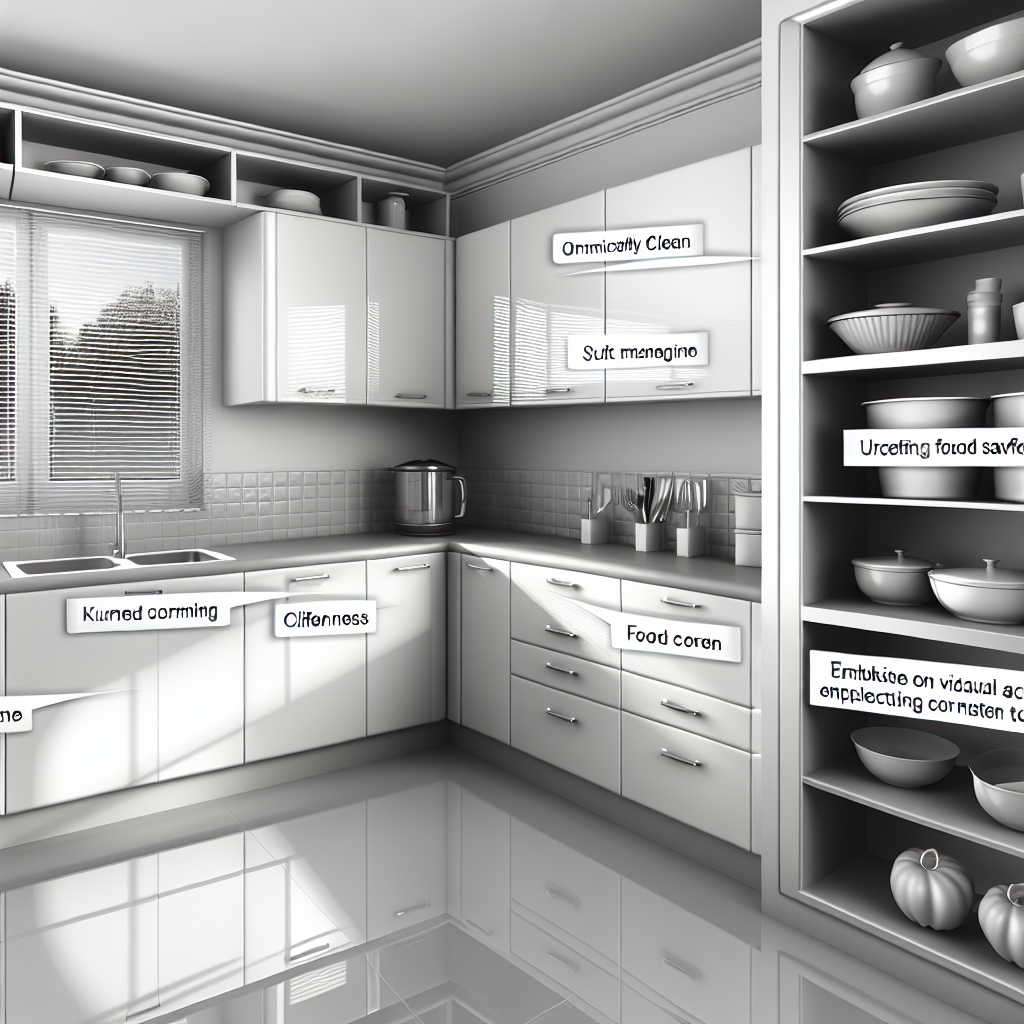
Safe and organized kitchen

Major Kitchen Hazards

Understanding the risks helps you prevent accidents before they happen

🔥

Cooking Fires

The leading cause of home fires and injuries. Never leave cooking unattended, especially when frying or broiling.

🔪

Cuts & Lacerations

Knife injuries are extremely common. Use sharp knives (they're safer than dull), cut away from your body, and store properly.

♨️

Burns & Scalds

Hot surfaces, liquids, and steam cause serious injuries. Use pot holders, turn handles inward, and be cautious with microwave heating.

💧

Slip & Fall

Wet floors are slippery. Clean spills immediately, use non-slip mats, and wear appropriate footwear in the kitchen.

Electrical Hazards

Water and electricity don't mix. Keep appliances away from sinks, use GFCI outlets, and unplug when not in use.

🦠

Food Contamination

Improper food handling causes illness. Practice proper hand washing, avoid cross-contamination, and maintain safe temperatures.

Cooking Fire Prevention

Most kitchen fires are preventable with awareness and simple precautions

👀 Never Leave Cooking Unattended

This is the single most important kitchen safety rule.

  • Stay in the kitchen when frying, broiling, or grilling
  • If you must leave, turn off the burner
  • Remain in the home while simmering or baking
  • Use a timer as a reminder
  • Avoid cooking when drowsy or impaired

🔥 Create a "Kid-Free Zone"

Keep children and pets at least 3 feet away from cooking areas.

  • Establish clear boundaries around the stove
  • Turn pot handles inward so kids can't grab them
  • Keep hot foods and liquids away from edges
  • Store treats away from stove to avoid temptation
  • Teach children that the kitchen is a work zone

👕 Wear Appropriate Clothing

Loose clothing can catch fire or get caught in equipment.

  • Avoid loose, flowing sleeves when cooking
  • Roll up sleeves or wear short-sleeved shirts
  • Tie back long hair
  • Don't lean over burners or open flames
  • Keep dish towels away from heat sources

🧯 Keep Fire Extinguisher Nearby

Have a plan for small fires, but know when to evacuate.

  • Keep ABC extinguisher in kitchen (not right next to stove)
  • Know how to use it (P.A.S.S. method)
  • For grease fires: Never use water—smother with lid
  • Turn off heat if safe to do so
  • If fire spreads, evacuate and call 999
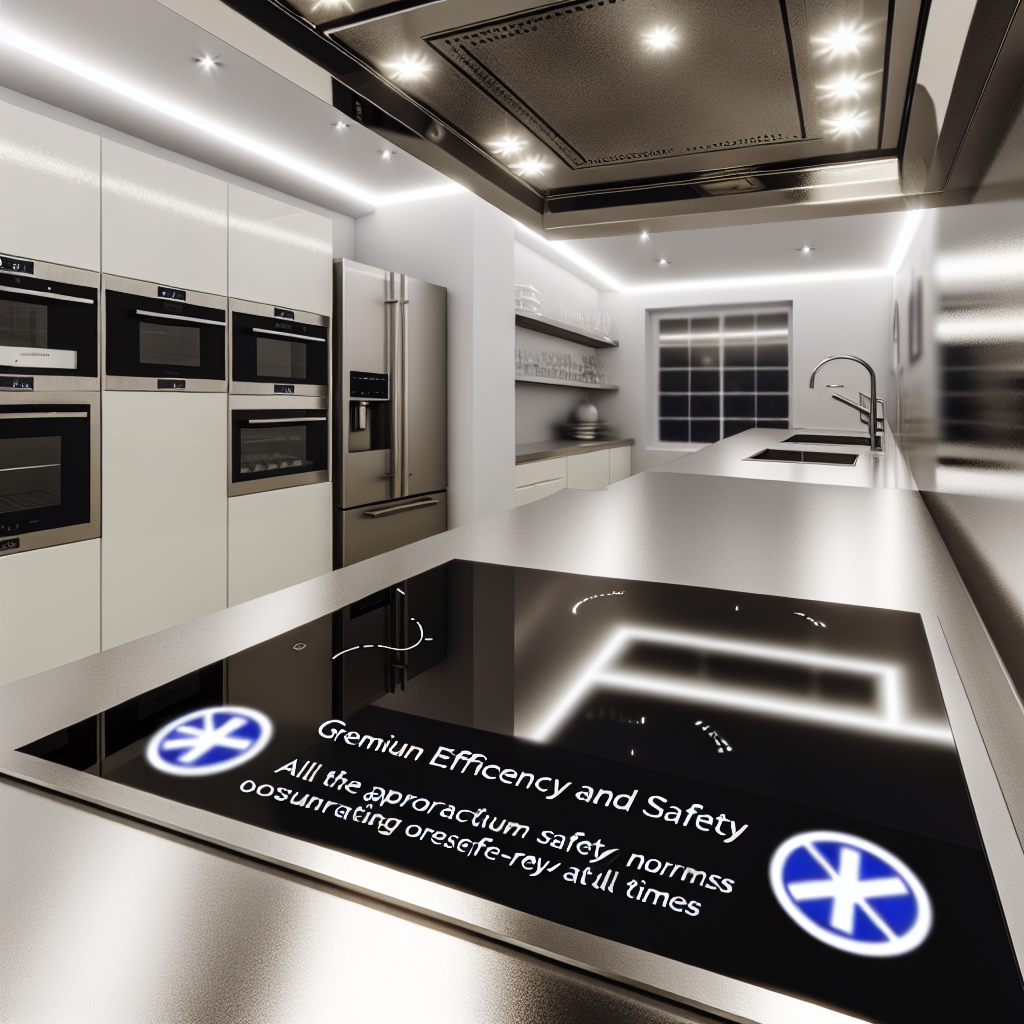
Safe appliance use in kitchen

Appliance Safety

Kitchen appliances are incredibly helpful but require proper use and maintenance to remain safe.

General Rules: Read manufacturer instructions, inspect cords regularly for damage, unplug small appliances when not in use, and keep appliances away from water sources.

Microwave Safety: Use microwave-safe containers only, vent containers before heating, stir heated liquids carefully (they can superheat), and let food stand after cooking to distribute heat.

Stove & Oven: Ensure burners and oven are off when not in use, clean regularly to prevent grease buildup, and have a professional inspect gas connections annually.

Safe Food Handling

Prevent foodborne illness with proper hygiene and storage

🧼 Cleanliness

  • Wash hands with soap for 20 seconds before and after handling food
  • Clean countertops and cutting boards between tasks
  • Wash fruits and vegetables under running water
  • Sanitize sponges and dishcloths regularly
  • Keep garbage bins closed and emptied regularly

🔪 Separate

  • Use separate cutting boards for raw meat and vegetables
  • Never place cooked food on plates that held raw meat
  • Store raw meat on bottom shelf of refrigerator
  • Wash hands after touching raw meat
  • Use separate utensils for raw and cooked foods

🌡️ Cook Properly

  • Use a food thermometer for meat and poultry
  • Cook to proper internal temperatures
  • Reheat leftovers to 75°C (165°F)
  • Don't partially cook food to finish later
  • Bring sauces and soups to a boil when reheating

❄️ Chill Promptly

  • Refrigerate perishables within 2 hours (1 hour if above 32°C)
  • Keep refrigerator at 4°C (40°F) or below
  • Keep freezer at -18°C (0°F) or below
  • Divide large amounts into smaller portions to cool faster
  • Never thaw food at room temperature

Daily Kitchen Safety Habits

Build these habits into your cooking routine for automatic safety

The Pre-Cooking Check

Before you start cooking, do a quick safety scan: clear the area around the stove, tie back hair, roll up sleeves, have pot holders within reach, and check that your fire extinguisher is accessible.

EVERY TIME

The Handle Rule

Every single time you place a pot on the stove, automatically turn the handle inward. Make this so automatic that you do it without thinking. This prevents countless spills and burns.

EVERY TIME

The Immediate Clean

Wipe up spills the moment they happen—don't wait until after cooking. Wet floors are slippery, and buildup makes future cleaning harder. Keep a towel handy for quick cleanups.

AS NEEDED

The Kitchen Reset

When you finish cooking, do a quick safety reset before leaving the kitchen: stove off, appliances unplugged, floor dry, nothing on hot surfaces. Takes 30 seconds, prevents fires and injuries.

AFTER EACH USE

The Weekly Deep Check

Once a week, check that your GFCI outlets work (press test button), inspect appliance cords for damage, ensure your fire extinguisher gauge is in the green, and verify smoke detector in adjacent areas is functional.

WEEKLY

Knife Safety

🔪 Using Knives Safely

  • Keep knives sharp—dull knives slip and require more force
  • Cut on a stable cutting board, never in your hand
  • Cut away from your body and keep fingers clear
  • Use the right knife for the task
  • Pay attention—never cut while distracted
  • Use a "claw grip" to protect your fingertips

📦 Storing Knives Safely

  • Store in a knife block, on a magnetic strip, or in a drawer organizer
  • Never store knives loose in a drawer
  • Keep knives away from edges where they could fall
  • Store out of reach of children
  • Wash and dry immediately after use
  • Never leave knives in soapy water where they're hidden