🩹

First Aid Basics

Learn essential first aid skills for common home injuries. Quick, appropriate response can prevent complications and save lives.

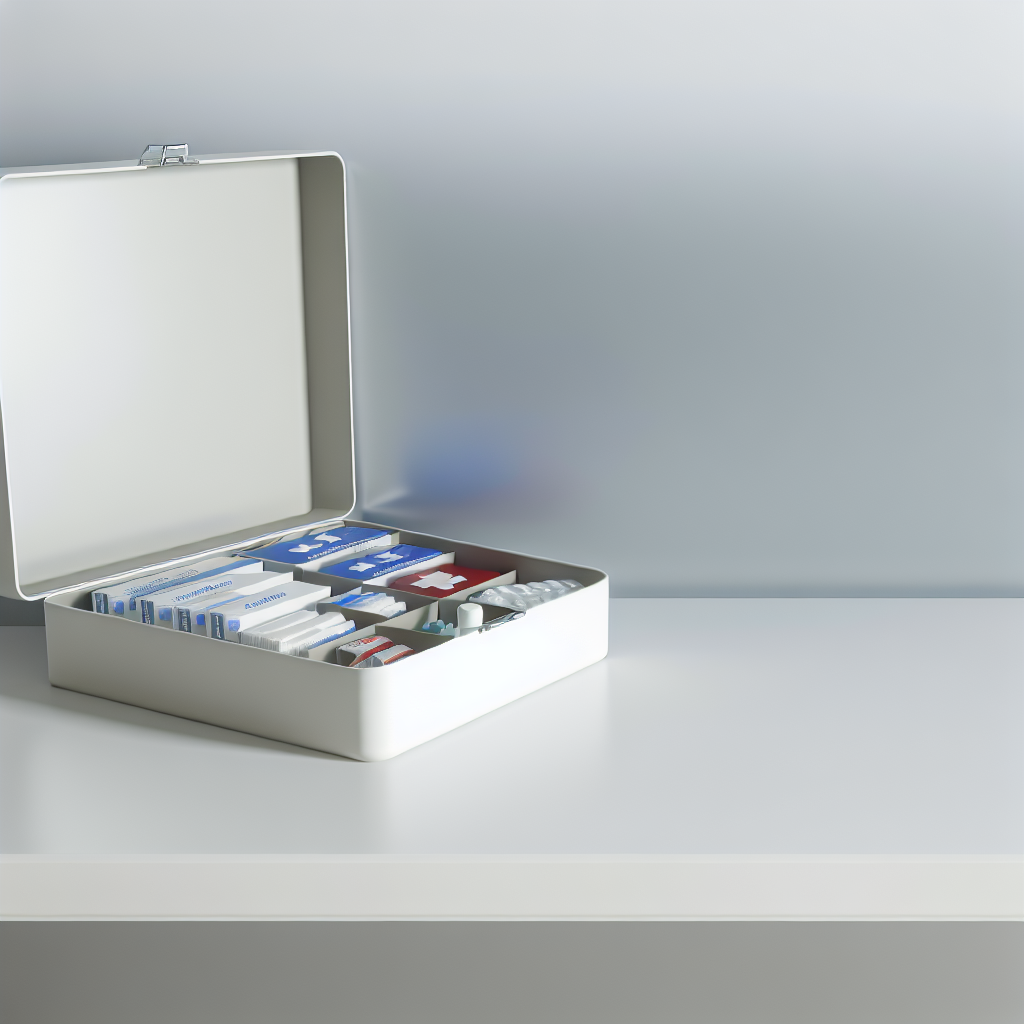
Well-stocked first aid kit

First Aid Kit Essentials

A well-stocked, accessible first aid kit is your first line of defense for home injuries

πŸ“¦ Basic Supplies

Every home should have these fundamental first aid items.

  • Adhesive bandages (various sizes)
  • Sterile gauze pads (various sizes)
  • Medical tape
  • Elastic bandage wraps
  • Antiseptic wipes and solution
  • Antibiotic ointment
  • Scissors and tweezers
  • Disposable gloves
  • Instant cold packs
  • Thermometer

πŸ’Š Medications

Common over-the-counter medications for minor issues.

  • Pain relievers (paracetamol, ibuprofen)
  • Antihistamines for allergic reactions
  • Anti-diarrhea medication
  • Antacid for stomach upset
  • Hydrocortisone cream for rashes
  • Burn cream or gel
  • Eye wash solution
  • Cough and cold medications
  • Check expiration dates regularly

πŸ“‹ Important Information

Keep critical information with your first aid kit.

  • Emergency contact numbers (999, poison control)
  • List of family allergies and medications
  • Doctor and pharmacy contact information
  • First aid manual or instruction cards
  • Personal medical information for each family member
  • Insurance information
  • Map to nearest hospital or urgent care

πŸ” Kit Maintenance

Regular maintenance ensures your kit is ready when needed.

  • Check expiration dates quarterly
  • Replace used items immediately
  • Restock after any emergency
  • Store in cool, dry, accessible location
  • Keep out of reach of children
  • Ensure everyone knows kit location
  • Consider multiple kits (car, travel, home)
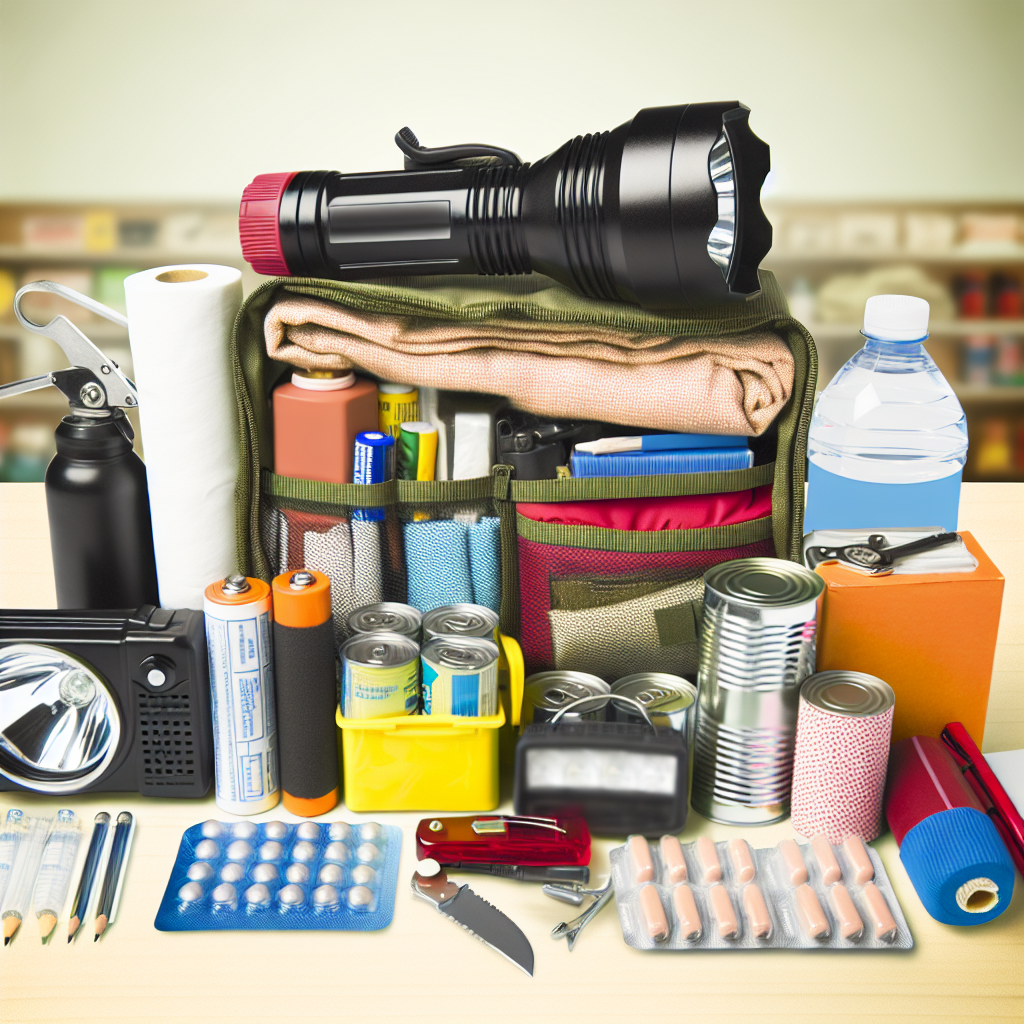
Emergency medical supplies organized

Emergency Supplies Beyond First Aid

Beyond standard first aid, certain emergency supplies help you manage various home emergencies effectively and safely.

Essential Emergency Items: Flashlight with extra batteries, emergency blanket, whistle for calling help, bottled water, non-perishable snacks, basic tools, duct tape, emergency phone charger, and a battery-powered or hand-crank radio.

Personal Protection: Face masks, hand sanitizer, antibacterial soap, protective eyewear, and additional disposable gloves. These items help prevent infection and cross-contamination during emergencies.

Special Considerations: Keep prescription medications with at least a three-day supply. Include items for infants (formula, diapers) or elderly family members. Don't forget pet supplies if applicable. Store important documents in waterproof container.

Common Home Injuries & First Aid

Quick reference for responding to typical household injuries

πŸ”ͺ Cuts & Scrapes

  • Wash hands before providing care
  • Apply gentle pressure with clean cloth to stop bleeding
  • Clean wound with running water
  • Apply antibiotic ointment
  • Cover with bandage or sterile gauze
  • Change dressing daily
  • Seek medical care if deep, gaping, or won't stop bleeding
  • Watch for signs of infection (redness, swelling, warmth)

πŸ”₯ Burns

  • Remove from heat source immediately
  • Cool burn with running water for 10-20 minutes
  • Remove jewelry or tight items before swelling
  • Cover loosely with sterile gauze
  • Do not apply ice, butter, or ointments initially
  • Take over-the-counter pain reliever
  • Seek medical attention for large or severe burns
  • Watch for signs of infection

πŸ€• Sprains & Strains

  • Rest the injured area
  • Ice for 20 minutes every 2-3 hours
  • Compress with elastic bandage (not too tight)
  • Elevate above heart level when possible
  • Take anti-inflammatory medication as directed
  • Avoid using injured area until healed
  • Seek medical care if severe pain or unable to bear weight
  • Watch for signs that injury isn't improving

πŸ’’ Bumps & Bruises

  • Apply cold pack to reduce swelling
  • Rest and protect the injured area
  • Elevate if possible to minimize swelling
  • Take pain medication if needed
  • Monitor for worsening symptoms
  • Seek medical attention for head injuries
  • Watch for signs of concussion (dizziness, nausea, confusion)
  • Bruises should gradually improve over days

When to Call 999

Seek emergency medical help immediately for these situations:

  1. Difficulty breathing or shortness of breath
  2. Chest pain or pressure
  3. Severe bleeding that won't stop
  4. Head injury with loss of consciousness, confusion, or vomiting
  5. Suspected broken bones or dislocations
  6. Severe burns or burns covering large area
  7. Poisoning or suspected poisoning
  8. Severe allergic reaction (difficulty breathing, swelling)
  9. Seizures
  10. Sudden severe pain anywhere
  11. Loss of consciousness
  12. Suspected stroke (face drooping, arm weakness, speech difficulty)

When in doubt, call for help. Emergency responders would rather be called unnecessarily than arrive too late.

Basic First Aid Training

Knowledge and practice save livesβ€”consider formal first aid training

πŸŽ“ Recommended Training

  • CPR and AED certification
  • Basic first aid course
  • Choking response techniques
  • Infant and child first aid (for parents)
  • Wilderness first aid (for outdoor enthusiasts)
  • Refresh training every 2 years
  • Practice skills regularly to maintain proficiency

πŸ‘¨β€πŸ‘©β€πŸ‘§β€πŸ‘¦ Family Preparedness

  • Teach age-appropriate first aid to children
  • Ensure everyone knows how to call 999
  • Practice emergency scenarios as a family
  • Teach children their full names and address
  • Post emergency numbers visibly
  • Discuss what constitutes an emergency
  • Role-play calm responses to injuries

Related Safety Topics

Expand your home safety knowledge with these related guides